


Ashwagandha works. But most men take it wrong, quit too early, or pair it with nothing that actually amplifies its effects. This guide walks you through exactly how to use ashwagandha for men, from understanding what it does in your body to knowing when to stop and reassess.
Step 1: Understand What Ashwagandha Actually Does for Men
Ashwagandha (Withania somnifera) is an adaptogenic herb with roots in Ayurvedic medicine. In plain terms, it helps your body handle stress more efficiently. For men, that matters a lot because chronic stress is one of the biggest silent killers of testosterone, libido, and performance.
Here's the core mechanism. When you're under sustained stress, your body pumps out cortisol. High cortisol suppresses the hormonal chain that tells your testes to produce testosterone. Ashwagandha targets that chain by modulating the hypothalamic-pituitary-adrenal (HPA) axis, which is the system that controls your cortisol output.
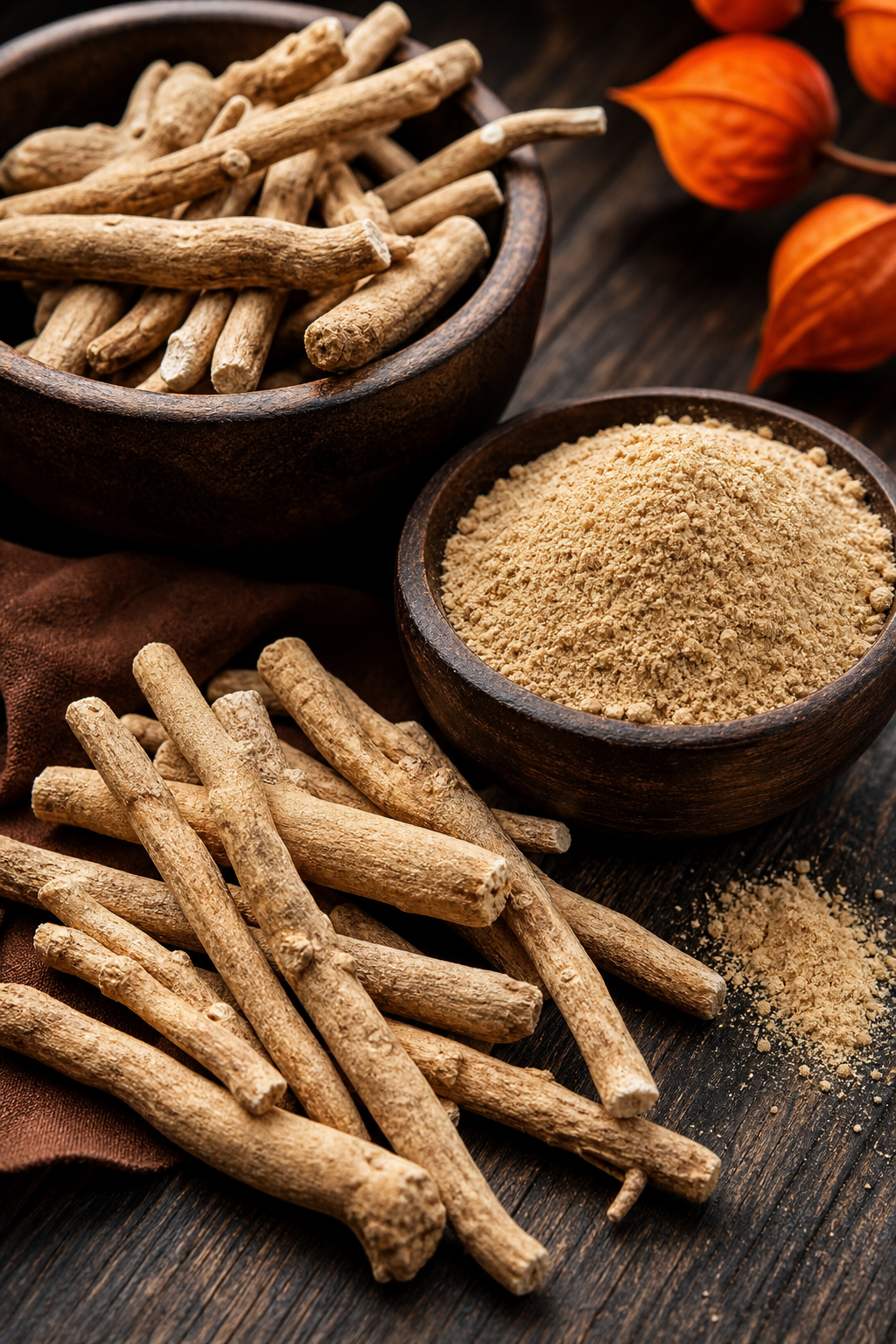
The testosterone benefits are real but modest. According to the National Institutes of Health Office of Dietary Supplements, multiple clinical trials show ashwagandha significantly reduces cortisol levels and improves perceived stress, with benefits often more pronounced at doses of 500 to 600 mg per day than at lower doses.
Beyond cortisol, ashwagandha has three other mechanisms that matter for men. First, its antioxidant compounds may protect Leydig cells, the testicular cells that actually make testosterone, from oxidative damage. Second, some components appear to enhance luteinizing hormone (LH) release, which signals the testes to produce more testosterone. Third, it can improve sleep quality, and poor sleep is one of the fastest ways to drop your testosterone levels.
Who benefits most? Men who are stressed, sleep-deprived, doing resistance training, or dealing with borderline-low testosterone tend to see the most meaningful results. Men with clinically diagnosed low testosterone from a medical condition need actual medical treatment. Ashwagandha won't fix hypogonadism on its own.
A 2026 randomized controlled trial published in PubMed Central found that 300 mg of standardized ashwagandha root extract taken twice daily over 8 weeks produced statistically significant improvements in sexual desire, satisfying sexual events, and overall erectile function in healthy adult men aged 30, 50. Semen analysis showed a 38% improvement in total sperm count and an 87% increase in total sperm motility.
By the end of this step, you should have a clear picture of what ashwagandha can and can't do. It's a meaningful support tool, not a replacement for sleep, exercise, or medical care when those are genuinely needed.
Step 2: Choose the Right Ashwagandha Dosage
There's no single universal dose, but the research points to a clear range. For most men, 300 to 600 mg of standardized root extract per day is where the evidence clusters. Going below 250 mg tends to produce weak or inconsistent results. Going dramatically higher doesn't appear to add more benefit and increases the risk of side effects.
The extract type matters as much as the number on the label. Look for standardized extracts like KSM-66 or Sensoril, which guarantee consistent levels of active compounds (withanolides). A bottle that just says "ashwagandha root powder" without standardization is harder to dose reliably.
A sensible starting point for most men is 300 mg once daily with a meal. After two to three weeks with no side effects, you can move to 300 mg twice daily if your goal is testosterone support or improved sexual function. Don't jump straight to 600 mg on day one. Your gut will thank you.
Split dosing (morning and evening) is what most of the stronger clinical trials used for sexual health outcomes. It keeps blood levels of the active compounds steadier throughout the day.
If you're exploring a broader natural male sexual performance supplement protocol, ashwagandha dosing should be considered alongside whatever else you're taking. Stacking it without adjusting individual doses can lead to unexpected interactions, especially with anything that also affects cortisol or hormone levels.
Step 3: Time Your Ashwagandha Intake for Best Results
Ashwagandha doesn't have a precise timing window the way pre-workout supplements do. The benefits build gradually over weeks, so missing your dose by a few hours won't derail your progress. That said, timing still affects how comfortable and consistent you'll be.
The most important rule is this: take it with food. A small meal or snack is enough. This single habit eliminates most of the stomach upset that causes men to abandon the supplement before it can do anything useful.
If your main goal is stress reduction and testosterone support, morning with breakfast is usable. It fits into most men's existing routines and ensures you're consistent. If your main goal is better sleep, taking it in the evening, either with dinner or before bed, makes more sense. Some men find a pre-bed dose with a small snack genuinely improves how quickly they fall asleep and how rested they feel.
For sexual performance goals, the research on split dosing (once in the morning, once in the evening) shows stronger results than a single daily dose. This is the protocol used in several of the better-designed clinical trials. It's a minor habit adjustment with a meaningful payoff.
One thing to reset expectations on: ashwagandha is not fast-acting. A 2019 study found it took participants up to 10 weeks to see full effects on sleep quality. Most men notice reduced stress and improved energy within 2 to 4 weeks, but hormonal changes take longer. Plan for an 8 to 12-week commitment before you judge the results.
Consistency matters far more than perfect timing. Pick a time that fits your life and stick to it every day. Men who review male performance supplement reviews consistently report that daily adherence is the biggest factor separating results from disappointment.
Step 4: Stack Ashwagandha with the Right Supplements
Ashwagandha does more when it's paired with the right support. Taken alone, it addresses cortisol and oxidative stress. But men who want improved testosterone, stronger erections, better endurance, and higher sex drive need a multi-angle approach.
Here's how to think about stacking it practically. Ashwagandha handles stress hormones. You still need to address blood flow, free testosterone, libido, and sleep separately if those are goals.
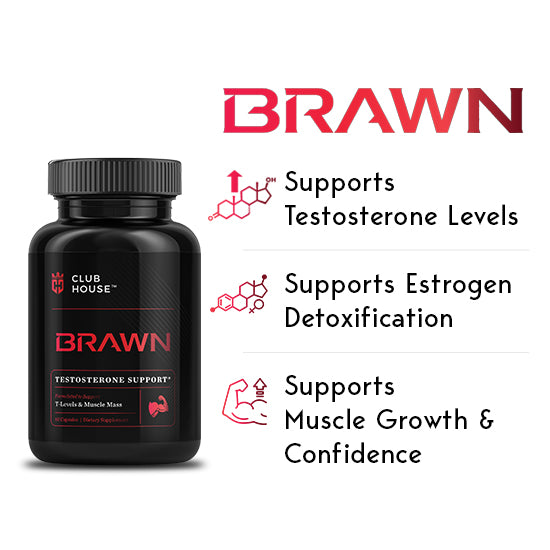
For testosterone optimization: The Clubhouse Brawn Formula is built around this exact need. It pairs ashwagandha with Tongkat Ali, Zinc Bisglycinate, Vitamin D3, Vitamin K2, and Turkesterone. Zinc is essential for testosterone production and is commonly depleted in active men. Vitamin D3 is another nutrient most men don't get enough of, and it has a direct relationship with testosterone levels. Tongkat Ali works on lowering SHBG (sex hormone-binding globulin), which frees up more of the testosterone your body is already making.
For sex drive and recovery: The Clubhouse Fire Formula includes ashwagandha alongside Vitamin B6 and Zinc. Vitamin B6 lowers prolactin, a hormone that dampens libido and lengthens recovery time after sex. When ashwagandha reduces cortisol while B6 keeps prolactin in check, the combined effect on sex drive is noticeably stronger than either does alone.
For cognitive clarity alongside physical performance: Some men find it useful to pair an adaptogenic stack with a nootropic. OptiMind is a brain supplement formulated for focus and clean energy, which can complement the stress-reduction and energy effects you get from ashwagandha without overlapping its hormonal mechanisms.
One usable stacking note. Don't start everything at once. Add ashwagandha first, run it for two to three weeks, and then layer in a second supplement. This way, if something causes stomach upset or an unexpected reaction, you'll know exactly what's responsible.
Men with active training schedules who want to see the full picture of what's available can check out this natural male performance supplement guide for a broader comparison of how ashwagandha-containing formulas stack up side by side.
Step 5: Track Your Results and Adjust Over Time
Most men take a supplement for two weeks, feel nothing dramatic, and stop. That's the wrong timeline and the wrong measurement approach. Ashwagandha's effects are cumulative. The benefits in cortisol, testosterone, and sexual function tend to emerge between weeks 4 and 12.
Start a simple log on day one. You don't need an app. A notes file on your phone works fine. Track these things daily or every few days: sleep quality (1, 5), energy level (1, 5), stress level (1, 5), morning libido, and any noticeable physical changes. This baseline gives you something real to compare against at week 8.
At the 4-week mark, look at your log. Most men notice stress and sleep improvements first. Testosterone-related changes like improved energy, mood stability, and sex drive typically follow. If you're seeing nothing across any measure at four weeks, check two things: are you taking it consistently with food, and is your dose in the 300, 600 mg range?
At the 8 to 12-week mark, you have a genuine decision point. A sensible protocol is 8 to 12 weeks on, then a 2 to 4-week break. The break serves a real purpose. It tells you whether the benefits you felt were from the supplement or from other changes you made at the same time. It also lets your body reset its baseline response.
During the break, ask yourself: did your sleep worsen? Did your stress levels climb back up? Did libido or energy drop? If yes, the ashwagandha was doing meaningful work. Restarting after a short break is perfectly reasonable. If nothing changed during the break, reconsider whether the supplement is the right tool for your specific needs.
For men who find that physical training is a key part of their performance routine, pairing ashwagandha with consistent exercise amplifies the hormonal response. A fitness studio environment like The Body Lab KC, which offers strength-focused and high-intensity classes, is the kind of training context where ashwagandha's muscle recovery and cortisol-reduction benefits show up most clearly.
Step 6: Watch for Side Effects and Know When to Stop
Ashwagandha is well tolerated by most healthy men, but "generally safe" doesn't mean risk-free. Knowing the real side effect profile helps you use it without ignoring warning signs.
The most common side effects are gastrointestinal. Upset stomach, loose stools, or nausea can happen, especially if you take it on an empty stomach or start at a high dose. Taking it with food and starting at 300 mg once daily eliminates most of these issues for most men.
The more serious concern is liver health. According to the National Library of Medicine's LiverTox database, cases of clinically apparent liver injury linked to ashwagandha have been reported, typically presenting 2 to 12 weeks after starting, usually with a cholestatic pattern involving jaundice. These cases are uncommon. But they are real, and men with existing liver conditions or cirrhosis should avoid ashwagandha entirely.
Stop taking it immediately if you notice yellowing of the skin or eyes, dark urine, or persistent upper abdominal pain. These are signs of liver stress and need medical evaluation, not a wait-and-see approach.
Other situations where you should avoid or be cautious with ashwagandha:
- You take thyroid medication (ashwagandha can affect thyroid hormone levels)
- You take immunosuppressants or sedatives
- You have an autoimmune condition
- You're on blood pressure medication
The 8 to 12-week cycling approach mentioned in Step 5 also serves a safety function here. Regular breaks let you assess whether any subtle side effects have crept in that you might normalize over time. If you feel consistently worse on it rather than better, that's information. Stop, wait a few weeks, and see what changes.
Clubhouse Supplements manufactures all formulas in the USA with strict 3rd-party purity testing. When ashwagandha is part of a formula from a tested, transparent manufacturer, the risk of contamination or mislabeling, which is involved in several of the reported liver injury cases, is substantially lower. The 180-day money-back guarantee means you can also stop and get a refund if the product isn't working for you.
FAQ
How long does ashwagandha take to work for men?
Most men notice stress and sleep improvements within 2 to 4 weeks. Testosterone-related changes, including improved libido, energy, and muscle recovery, typically take 6 to 12 weeks of consistent daily use. Clinical trials generally run for 8 to 12 weeks, which is the minimum timeframe to fairly assess hormonal and sexual health outcomes. Don't judge the results before the 8-week mark.
Can ashwagandha boost testosterone in men?
Yes, modestly. The evidence is strongest for men who are stressed, sleep-deprived, or doing resistance training. Ashwagandha lowers cortisol, which allows the hormonal system to produce testosterone more normally. One trial found a 96.2 ng/dL increase in testosterone after 8 weeks at 300 mg twice daily. It won't correct clinically low testosterone from a medical condition, but it can meaningfully support healthy hormone levels.
What is the best ashwagandha dosage for men?
For most men, 300 to 600 mg of standardized root extract daily is the evidence-backed range. Start at 300 mg once daily with food. If your goal is testosterone or sexual function support, move to 300 mg twice daily after two to three weeks. Look for extracts standardized to a known withanolide percentage, such as KSM-66 or Sensoril, rather than plain powder with no standardization.
Does ashwagandha improve sexual performance in men?
The evidence here is solid. A double-blind, placebo-controlled trial found 300 mg twice daily improved sexual desire, satisfying sexual events, and erectile function scores significantly over 8 weeks. The mechanism involves cortisol reduction, better testosterone signaling, and improved sleep. Pairing ashwagandha with a targeted male stamina supplement that addresses blood flow and libido separately tends to produce stronger results.
Should you cycle ashwagandha or take it every day?
Cycling is not required but is a sensible precaution. Most clinical trials only run 8 to 12 weeks, so long-term safety data beyond a few months is limited. A usable approach is 8 to 12 weeks on followed by a 2 to 4-week break. The break lets you confirm the supplement is actually driving your improvements and helps you catch any subtle side effects you might otherwise normalize.
Can you take ashwagandha with other supplements?
Yes, for most men. Ashwagandha pairs well with zinc, Vitamin D3, Tongkat Ali, and Vitamin B6, all of which address different parts of the testosterone and sexual health equation. Avoid combining it with medications that affect thyroid, blood pressure, or immune function without medical guidance. Start ashwagandha alone for 2 to 3 weeks before adding other supplements so you can isolate any reactions.
Conclusion
Ashwagandha works best when you treat it as a foundation, not a fix. Get your dose right (300, 600 mg of a standardized extract, with food), give it a full 8 to 12 weeks, and pair it with supplements that target the specific outcomes you want. If testosterone and sexual performance are the goal, the Clubhouse Brawn or Fire formulas are built around ashwagandha alongside the nutrients that actually move the needle. Start there, track your results honestly, and you'll know within two months whether it's earning its place in your routine.


