


Low testosterone can sneak up on you, showing up as subtle changes in your body and mind. Spotting the signs early lets you act before they pile up. Follow these four steps to catch the symptoms, track the triggers, and decide when a professional check‑up is worth it.
Step 1: Identify Common Physical Signs
First, look at the obvious clues your body gives. A drop in muscle mass or strength often signals low testosterone. Men notice their lifts feeling lighter even though they stick to the same routine. Clubhouse "Wood" Formula targets the blood‑flow pathways that support muscle performance, so it’s a useful reference point if you’re already seeing weakness.
Next, pay attention to changes in body composition. A growing waistline or stubborn belly fat can appear despite a steady diet and exercise plan. The hormone helps regulate where your body stores fat, so an unexpected shift may be a red flag.
Sexual health offers another clear window. Persistent erectile difficulty, reduced libido, or a drop in nighttime erections are classic signs. While stress and other factors play a role, a new, consistent pattern often points to hormone decline.
Bone health can suffer too. Low testosterone lowers bone density over time, raising fracture risk. If you’ve noticed joint aches or a higher incidence of minor injuries, that could be linked.
Hair loss on the chest or face, and a thinner beard, sometimes accompany low testosterone because the hormone fuels hair‑follicle activity.
These physical clues stack up fast. If three or more appear together, you’ve got a strong case to dig deeper.
For a medical perspective, the Cleveland Clinic notes that reduced muscle mass, increased body fat, and erectile issues are among the most common presentations of hypogonadism. Cleveland Clinic

Step 2: Recognize Emotional & Cognitive Changes
Low testosterone reaches into the brain. Men often feel more irritable, sad, or unmotivated without an obvious cause. A lingering mood dip that doesn’t lift with rest could be hormone‑related.
Memory fog is another signal. Struggling to focus during work or forgetting simple tasks can stem from reduced testosterone, which influences neurotransmitter balance.
Confidence may wobble. You might find yourself avoiding social situations or feeling less assertive, even if you’ve always been outgoing.
Research from Advanced Urology Westchester highlights that men with low testosterone frequently report mood swings, anxiety, and a drop in overall well‑being. Advanced Urology Westchester
On a deeper level, a PubMed review explains that testosterone modulates stress resilience and self‑perception, meaning low levels can make everyday challenges feel heavier. PubMed
If you’re seeing these mental shifts alongside physical signs, the puzzle is pointing toward low testosterone.
For men who wrestle with performance anxiety, Clubhouse "Bold" Formula includes ingredients meant to calm nervous energy, a side‑effect often tied to hormone imbalance.
Step 3: Track Lifestyle Triggers
Hormone levels react to daily habits. Start a simple log: note meals, sleep hours, stress events, and workouts. Patterns emerge that reveal which choices push testosterone down.
Diet matters. A Western‑style diet high in refined carbs and sugar is linked to lower testosterone, while protein, healthy fats, and zinc‑rich foods support production. If you eat a lot of fast food, note any dip in energy or mood.
Exercise is a double‑edged sword. Strength training and moderate‑intensity cardio boost testosterone, but over‑training without recovery can actually suppress it. A balanced routine of three to four sessions a week works best.
Sleep is non‑negotiable. Deep, uninterrupted sleep spikes testosterone in the early morning. If you wake up groggy after 6 hours, that could be a hidden trigger.
Stress hormones like cortisol compete with testosterone for the same receptors. Chronic stress from work or personal life can tip the balance toward cortisol, leaving testosterone low.
Supplement wise, Clubhouse "Sleep" Formula blends ingredients that aid restful sleep, indirectly supporting healthy hormone levels.
Step 4: When to Seek Professional Evaluation
Knowing when to call a doctor saves time and prevents unnecessary worry. If you’ve logged symptoms for at least a month and see three or more physical or emotional signs, it’s time for a blood test.
A proper testosterone test is done in the morning, between 7 am and 10 am, when levels peak. The lab measures total testosterone, free testosterone, and sometimes SHBG to give a full picture.
Bring your symptom log to the appointment. It helps the clinician see trends you might have missed and speeds up diagnosis.
If results show low levels, your provider may suggest lifestyle tweaks first, then discuss hormone replacement or targeted supplements.
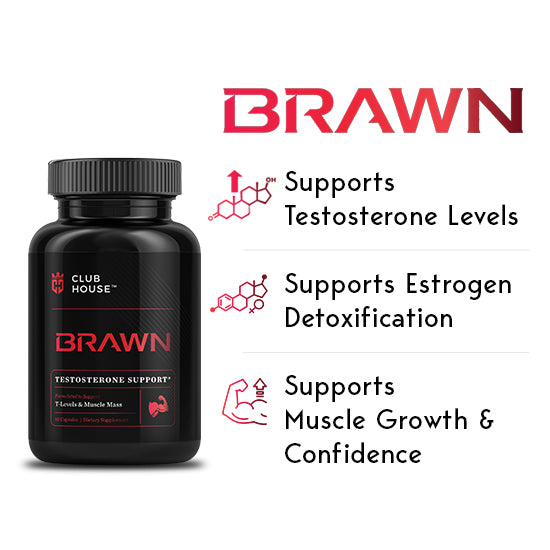
For men looking for a testosterone‑supporting supplement, Clubhouse "Brawn" Formula packs zinc, vitamin D, and tongkat ali, nutrients shown to aid natural testosterone production.
Should you need faster recovery after intimacy, Clubhouse "Fire" Formula focuses on reducing prolactin and boosting libido, which can complement medical treatment.
Remember, a low result doesn’t automatically mean you need medication. Often, diet, sleep, and stress management fix the imbalance.
"A single blood draw can reveal the hidden hormonal shifts that explain why you feel off."
FAQ
What are the most common low testosterone symptoms?
The most common signs include reduced muscle mass, increased belly fat, lower libido, occasional erectile difficulty, mood swings, fatigue, and trouble concentrating.
How can I tell if my fatigue is due to low testosterone?
If you feel exhausted despite adequate sleep and a balanced diet, and the tiredness comes with other signs like low drive or muscle weakness, low testosterone could be the cause.
Can lifestyle changes improve low testosterone?
Yes. Eating a protein‑rich diet, getting 7‑8 hours of quality sleep, doing regular strength training, and reducing chronic stress can raise natural testosterone levels.
When should I get my testosterone levels tested?
Schedule a test if you notice three or more physical or emotional symptoms persisting for more than a month, especially if they affect daily life.
Are supplements like Clubhouse effective for low testosterone?
Clubhouse’s formulas, such as the Brawn Formula, contain clinically studied ingredients (zinc, vitamin D, tongkat ali) that support natural testosterone production, making them a solid adjunct to lifestyle changes and medical care.
Take the first step by logging your symptoms and habits for a week. If patterns emerge, book a morning blood test and consider a supplement like Clubhouse "Brawn" Formula to support your journey.
Ready to put this into practice? Clubhouse Supplements was built for exactly this.


